Key Structural Needs and Considerations Explained
When planning an outdoor deck, understanding load-bearing requirements is crucial. The structural integrity of your deck depends on correctly assessing how much weight it can safely support. Factors such as material choice, beam spacing, and joist size all play a role in creating a safe and durable structure. This guide provides essential information to help you make informed decisions throughout the construction process.
Importance of Proper Material Selection
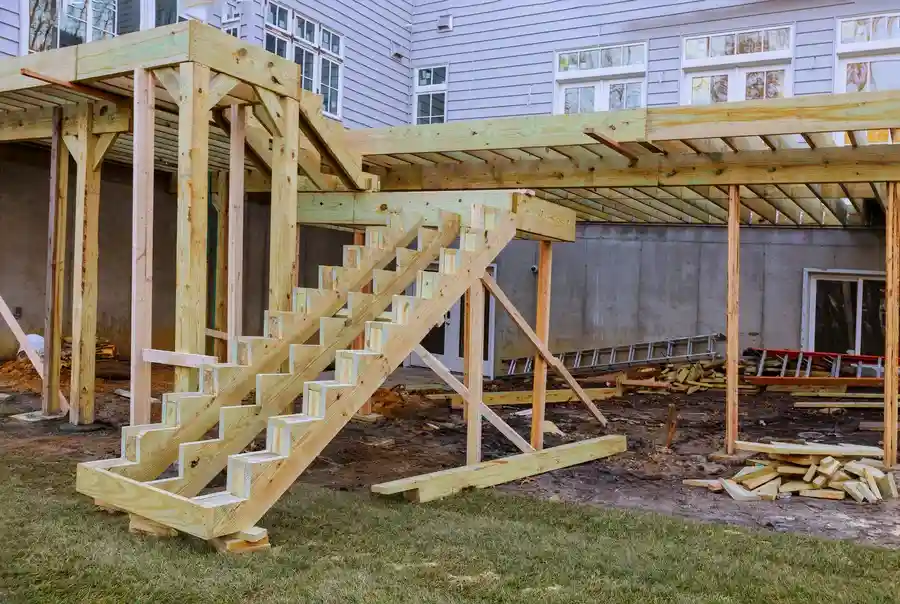
The materials you choose are foundational to the strength of your deck. Wood is the most common option due to its natural look, but not all types of wood have the same load-bearing capacity. Pressure-treated lumber is often recommended because it resists rot and pests while offering reliable support. Composite materials provide an alternative with minimal maintenance needs, though they may vary in strength based on manufacturer specifications.
Evaluating Joist and Beam Specifications
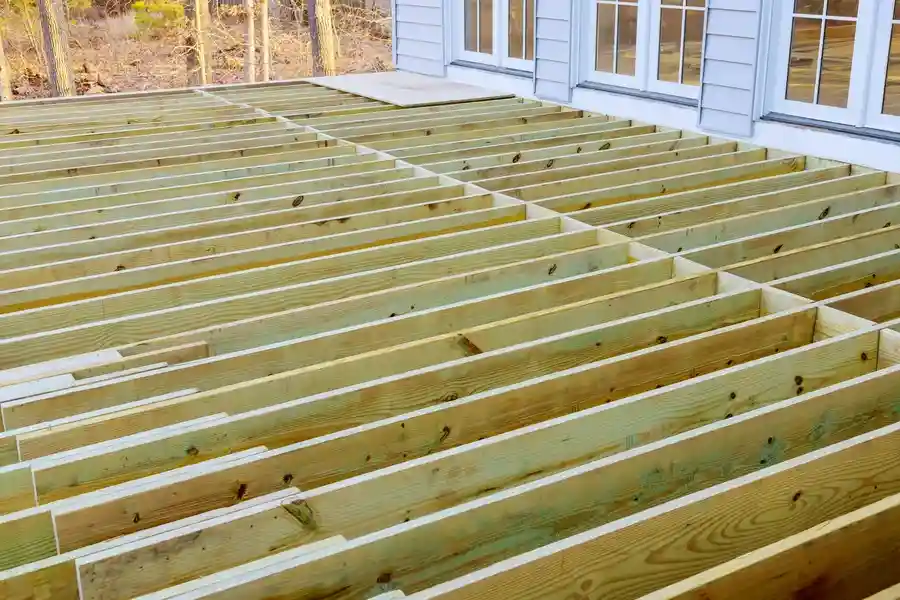
Deck framing requires careful consideration of both joists and beams. These components form the backbone of your deck’s structure. When selecting these elements, it’s important to understand their dimensions and spacing requirements. Generally, larger decks require thicker and more widely spaced beams to distribute weight effectively. Accurate measurements are essential to meet local building codes and ensure safety.
Impacts of Load Distribution
The way weight is distributed across your deck’s surface can affect its overall stability. Uneven load distribution might lead to excessive stress on certain areas, increasing the risk of damage or collapse. To mitigate this, consider using additional support posts or distributing heavy furniture evenly. Ensuring proper balance enhances durability and prevents potential hazards.
Regulatory Standards for Safety Compliance
Adhering to local building codes is a non-negotiable aspect of deck construction. These regulations are in place to guarantee that structures can withstand anticipated loads. Familiarize yourself with specific requirements regarding materials, dimensions, and construction techniques. Obtaining necessary permits and inspections before proceeding ensures compliance and reduces liability risks.
Calculating Weight Capacity
Understanding how much weight your deck can hold involves precise calculations. Begin by estimating the total live and dead loads your deck will encounter. Live loads include furniture, people, and snow accumulation, whereas dead loads account for the deck’s own weight. Utilizing online calculators or consulting with structural engineers can help determine the necessary specifications for your project.
Cost Considerations for Deck Construction
Budget plays a significant role in determining the scope of your deck project. Higher-quality materials and comprehensive design plans may come at a premium but offer long-term benefits through increased durability and reduced maintenance costs. Evaluate potential expenses upfront to avoid surprises later on. Consider all aspects from labor to raw material pricing when planning your budget.
Ensuring Ongoing Deck Maintenance
- Regularly inspect for signs of wear or damage
- Apply protective sealants periodically
- Keep fasteners tight and secure
- Ensure proper drainage to prevent water damage
Your Next Steps Towards a Durable Deck
If you need expert assistance with your decking project, reach out to D & G Carpenter & Framing today at (770) 264-0963. We are located in Lilburn, GA, where our team specializes in delivering reliable solutions tailored to meet your unique needs. Let us guide you in constructing a safe and lasting outdoor space that suits your lifestyle perfectly.